An institutional knowledge portal exploring the fundamental principles of healthy eating, nutritional science, and sustainable dietary practices
Nutrition is built upon understanding the key components that sustain human health and well-being. This section explores the essential categories of nutrients that form the foundation of any balanced diet.
Macronutrients are nutrients required in large quantities: proteins for tissue repair and growth, carbohydrates for energy, and fats for cellular function and nutrient absorption.
Key Sources: Legumes, whole grains, nuts, seeds, fish, and plant oils.
Micronutrients include vitamins and minerals essential for enzyme function, immune support, and metabolic processes. Despite being needed in smaller quantities, their role is critical.
Key Sources: Leafy greens, colorful vegetables, fruits, seafood, and whole grains.
Fiber supports digestive health and contributes to overall well-being by promoting regular digestion and feeding beneficial gut bacteria.
Key Sources: Whole grains, legumes, vegetables, fruits, and seeds.
Water is fundamental to all biological processes, from temperature regulation to nutrient transport and cellular function throughout the body.
Key Sources: Pure water, herbal teas, and water-rich foods like fruits and vegetables.
Understanding the distinction between whole and processed foods provides essential context for making informed nutritional choices.
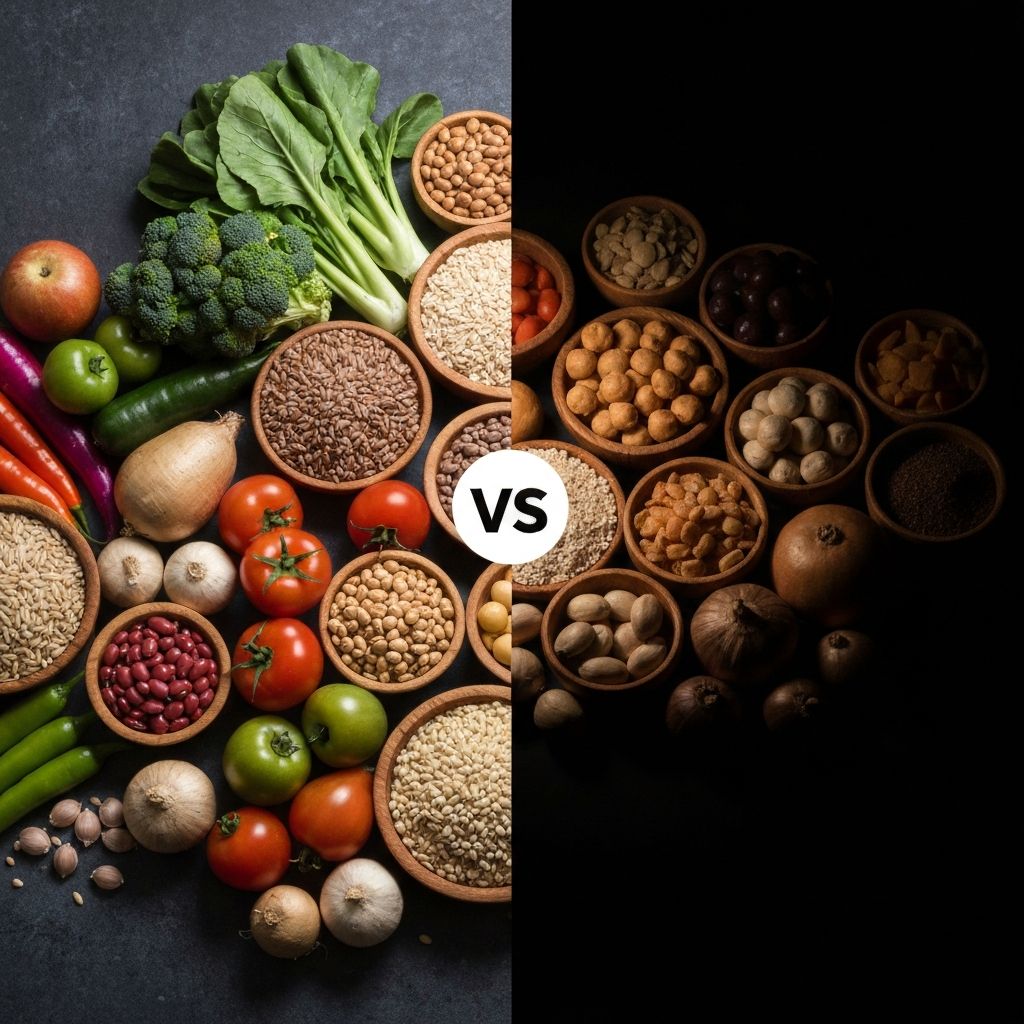
Definition: Foods in their natural state or minimally processed.
Definition: Foods altered from their natural state through industrial processing.
Water is essential to human function, yet its importance is often underestimated. Proper hydration supports every biological process in the body.
Key Functions of Water:

Adequate hydration needs vary based on climate, physical activity, and individual metabolism. A practical approach involves observing thirst signals and monitoring urine color as indicators of hydration status.
Learning to interpret food labels empowers consumers to make informed choices aligned with their nutritional goals and needs.
All nutritional information on the label is based on the stated serving size. Verify that the serving size matches your actual consumption.
Understand the caloric content per serving, which represents energy provided by the food. Compare with your overall daily energy needs.
Assess the amounts of protein, carbohydrates, and fats, considering your dietary preferences and nutritional requirements.
Look for micronutrients such as sodium, added sugars, dietary fiber, and important vitamins and minerals listed on the label.
Ingredients are listed by weight in descending order. This reveals the primary components and any additives or preservatives in the product.
Mindful eating is an approach that emphasizes awareness, intention, and presence during meals. It encourages a deeper connection with food and one's body signals.

"Eating with awareness transforms the act of consumption from a mindless habit into a conscious, intentional practice that enhances both physical satisfaction and psychological well-being."
Physical activity and proper nutrition work synergistically to support overall health, energy levels, and long-term well-being. Understanding this relationship clarifies why both are essential.


How Nutrition Supports Physical Activity:
Various cultures have developed dietary patterns that prioritize health, sustainability, and longevity. These patterns offer valuable insights into balanced nutrition.
Emphasizes olive oil, whole grains, legumes, seafood, and abundant vegetables. Associated with heart health and sustainable eating practices across Mediterranean regions.
Centered on whole grains, legumes, vegetables, moderate seafood consumption, and plant-based foods. Often includes fermented products supporting digestive health.
Found across cultures, these patterns emphasize vegetables, whole grains, legumes, nuts, and seeds as primary nutritional sources.
Focuses on locally sourced foods, whole grains, berries, root vegetables, and sustainable fish consumption adapted to northern European climates.
These diverse patterns demonstrate that balanced nutrition can be achieved through many approaches, each reflecting cultural wisdom, local resources, and environmental sustainability.
Nutritional science continues to evolve. Understanding the difference between myths and evidence-based information empowers better decision-making.
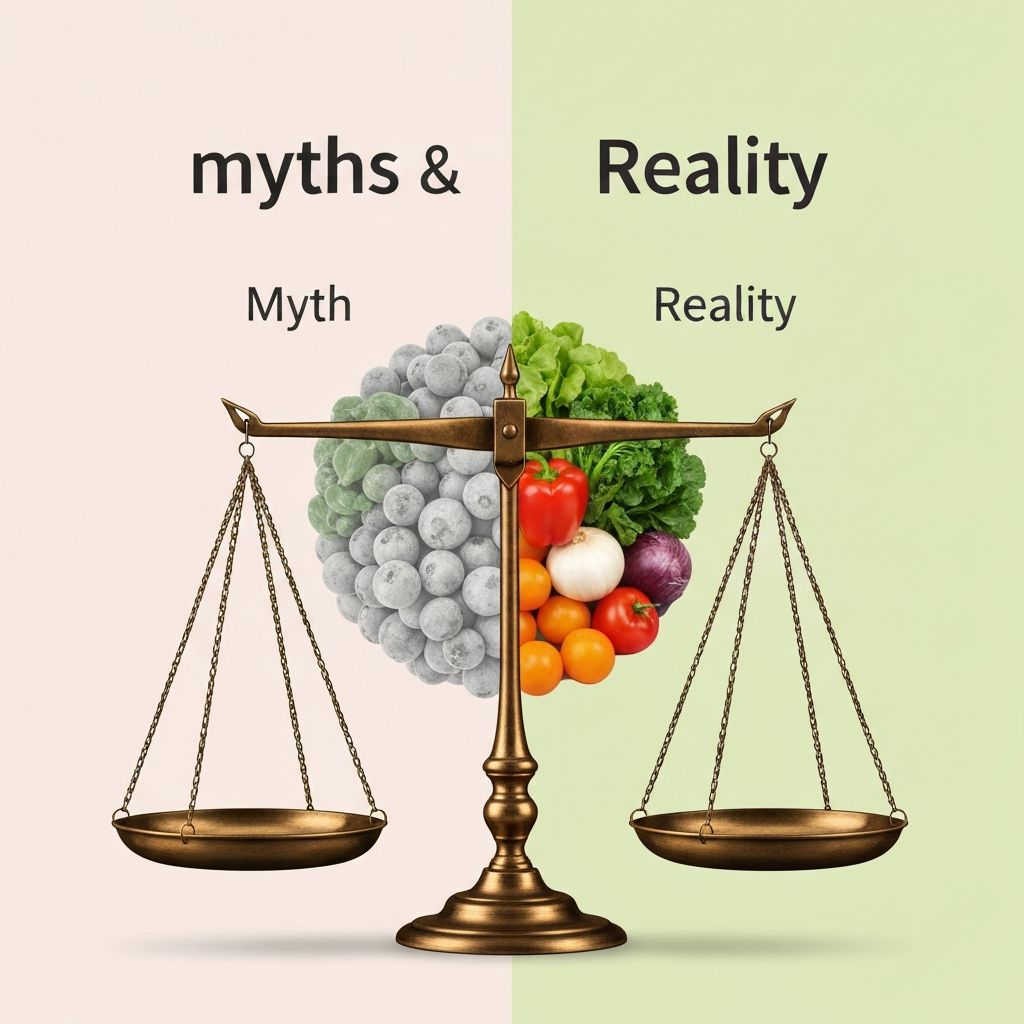
This is a misconception. Dietary fats are essential nutrients. Unsaturated fats from sources like olive oil, nuts, and fatty fish support heart health. The quality and quantity of fats consumed matter more than eliminating them entirely.
Carbohydrates are not inherently problematic. Whole grain carbohydrates, legumes, and vegetables provide energy, fiber, vitamins, and minerals. The distinction between refined and whole food carbohydrates is important.
Well-planned plant-based diets can provide complete nutrition. Combining various plant sources like legumes, whole grains, nuts, and seeds supplies all necessary amino acids and micronutrients.
Skipping meals often leads to excessive hunger and overeating later. Regular, balanced meals support stable blood sugar, sustained energy, and better decision-making regarding food choices.
Labels such as "natural" or "organic" indicate production methods but don't automatically mean higher nutritional value. Whole foods, whether conventionally or organically grown, retain better nutritional profile than processed alternatives.
Sustainable eating practices consider both personal health and environmental impact. Understanding this relationship creates alignment between individual choices and broader ecological responsibility.
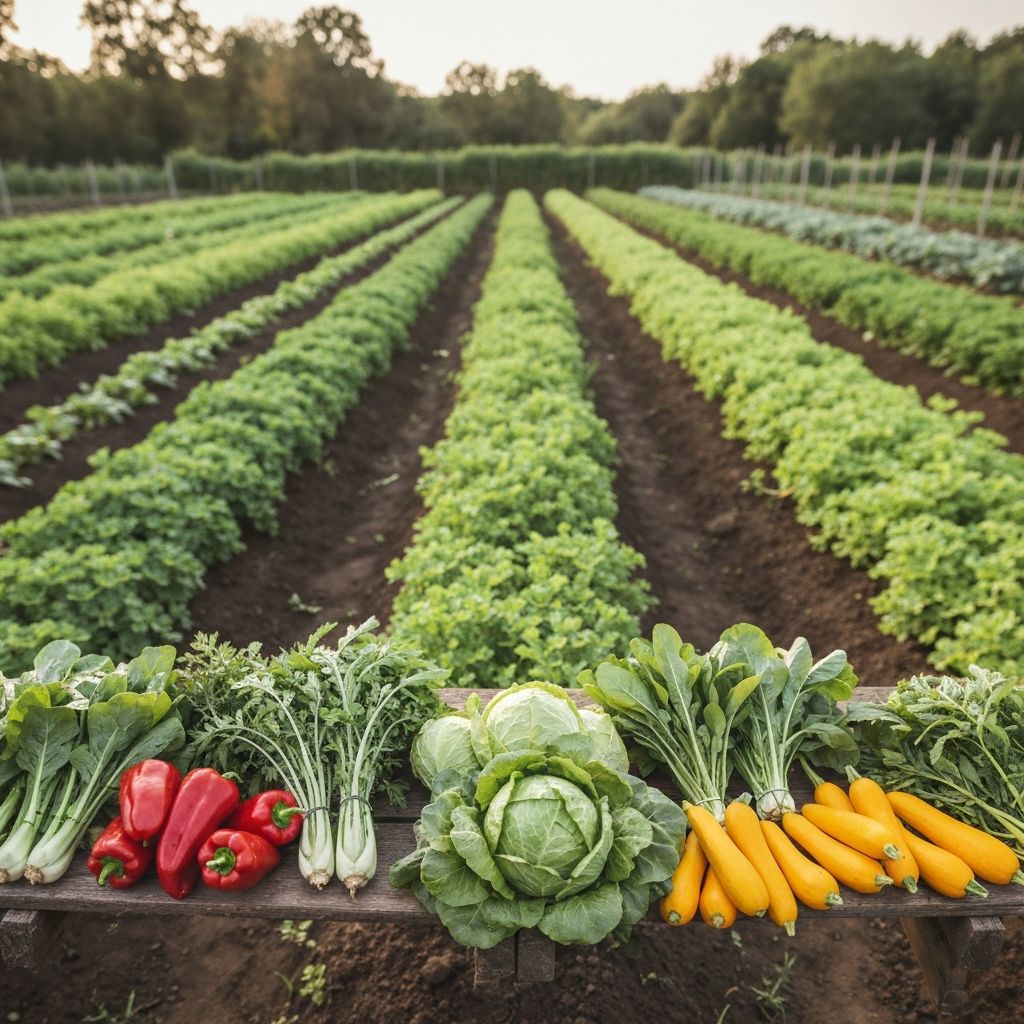
Practical Steps Toward Sustainable Eating: